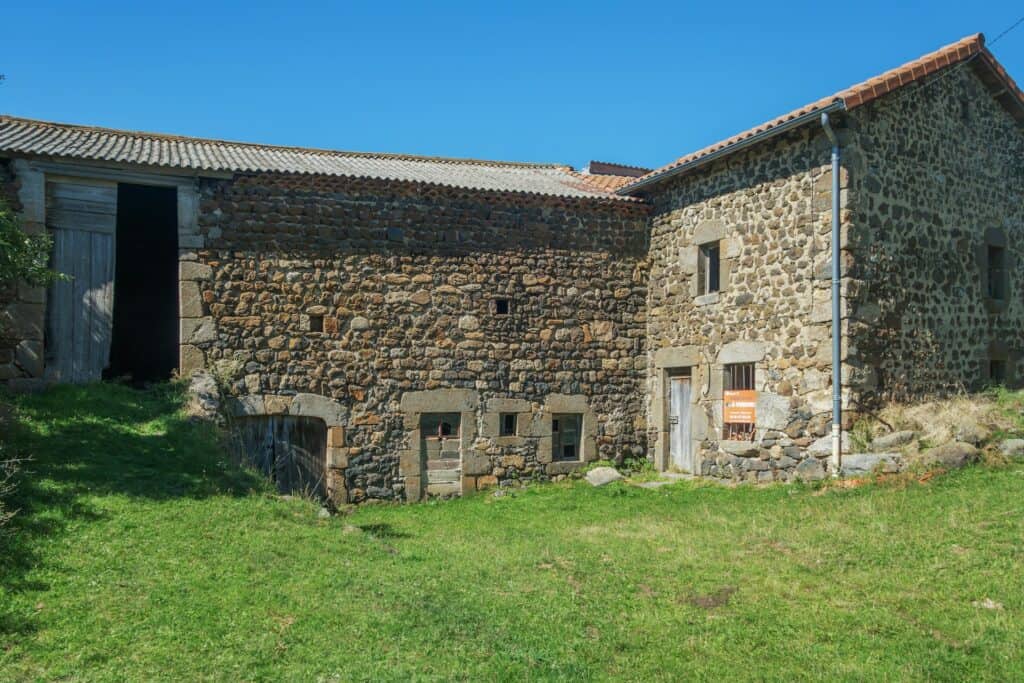
Most investment conversations tend to focus on stocks, bonds, and bustling urban properties. But for investors looking for tangible assets and long-term growth, the quiet appeal of the countryside is becoming harder to ignore. Adding rural real estate to your portfolio offers a different kind of opportunity, one rooted in the land itself. It’s a strategy that moves away from the fast-paced digital market and into something you can physically walk on, inspect, and improve.
While it’s not a get-rich-quick scheme, investing in rural land can provide stability and unique ways to earn returns that you won’t find in a traditional stock portfolio. From agricultural leases to recreational access, the possibilities are as wide as the open spaces you’re investing in, so it’s important to know what to verify.
Why Look Beyond the City Limits?
The main draw of rural real estate often comes down to its affordability. Compared to the sky-high prices of properties in major cities, your money can go much further in the country, securing more acreage and potential. This isn’t just about buying cheap land; it’s about strategically diversifying your portfolio into a hard asset class that tends to move independently of the stock market. When stocks are volatile, tangible assets like land can act as a stabilizing force.
Beyond the financial buffer, there’s the simple fact that they aren’t making any more of it. Land is a finite resource. As populations grow and cities expand, the demand for rural and undeveloped land for housing, recreation, and resources is likely to increase. This creates a solid foundation for long-term appreciation. It’s an investment you can see and touch, offering a sense of security that a line on a brokerage statement often can’t match.
Uncovering Hidden Value in Rural Land
When you look at a piece of rural property, you’re considering more than just its size and location. The real value can often be found in what the land can produce or what lies beneath it. The surface might be suitable for farming, ranching, or timber, each offering its own potential income. However, some of the most significant value isn’t visible at all.
What’s under the ground can be just as valuable, if not more, than the surface itself. In many regions, the ownership of subsurface assets is separate from the land itself. Owning the mineral rights to a property, for example, could open up opportunities for income from oil, gas, or other resources extracted from your land. Even if you don’t plan to develop them yourself, these rights can be leased or sold, creating a powerful, independent asset completely separate from how the surface of the property is used.
Potential Income Streams from Your Acreage
A common misconception about rural land is that it just sits there, slowly appreciating while you pay taxes on it. In reality, a well-chosen property can generate multiple income streams. The most obvious is leasing it out. You can lease your land to farmers for crops or to ranchers for grazing cattle. These agreements provide a steady, predictable cash flow year after year.
Recreational leases are another growing market. People are willing to pay for exclusive access to private land for activities like camping, fishing, or hosting outdoor events. If your property has desirable features like a pond, a stream, or significant woodland, this can be a lucrative option. In forested areas, a sustainable timber management plan can also provide periodic income from harvesting trees. The key is to think creatively about all the ways your specific piece of land can be used by others.
Weighing the Risks and Realities
Of course, no investment comes without its challenges. One of the main things to consider with rural real estate is liquidity. Unlike a stock, you can’t sell a piece of land in a matter of minutes. Finding the right buyer can take months or even years, so it’s definitely a long-term hold. You also need to be prepared for the ongoing costs, which include property taxes, insurance, and potential maintenance for things like fences and access roads.
It’s also crucial to do your homework on zoning laws and land-use restrictions before you buy. These rules can dictate what you can and cannot do with your property, potentially limiting your ideas for generating income. Understanding the pros and cons of real estate investing, particularly in a rural context, is essential for making a sound decision.
Investing in rural land is a deliberate, patient strategy. It offers a unique mix of potential financial returns and the satisfaction of owning a real, tangible piece of the world. For those willing to do their research and think long-term, it can be a rewarding addition to any investment portfolio.
The post Diversifying Your Portfolio: Evaluating Long-Term Returns on Rural Real Estate appeared first on ThingsMenBuy.com.
from ThingsMenBuy.com https://www.thingsmenbuy.com/diversifying-your-portfolio-evaluating-long-term-returns-on-rural-real-estate/
via IFTTT

No comments:
Post a Comment