Showing posts with label IFTTT. Show all posts

Tuesday, September 1, 2026

Peace of Mind: Securing Your Home While Traveling

Peace of Mind

Getting ready for a vacation involves more than just packing bags and booking flights; it also requires a vacation-ready checklist for your home.

A big part of being able to relax and enjoy your time away is knowing that your home is safe and sound. A few simple preparations can make all the difference, helping you leave worries behind and focus on making memories with your family.

Pre-Trip Security Checklist

Before you lock the door and head out, run through a final checklist to secure your home. These small tasks are easy to do and create the impression that your house is occupied and well-maintained.

  • Manage Mail and Deliveries: A pile of newspapers or packages on the porch is a clear sign that no one is home. Use the USPS Hold Mail service to pause your deliveries. For packages from other carriers, try to schedule them for after your return or ask a trusted neighbor to collect them for you.
  • Inform Your Alarm Company: If you have a monitored security system, let them know your travel dates. Provide them with the contact information for an emergency contact who is not traveling with you.
  • Prepare Your Yard: An overgrown lawn or untended garden can also signal an empty house. Arrange for someone to mow the lawn or water your plants if you’ll be gone for an extended period.
  • Secure Valuables: Don’t leave important documents, jewelry, or electronics in plain sight. Store them in a safe or a well-hidden location. It’s also a good idea to create a home inventory for insurance purposes before you leave.

Smart Home Tech for Travelers

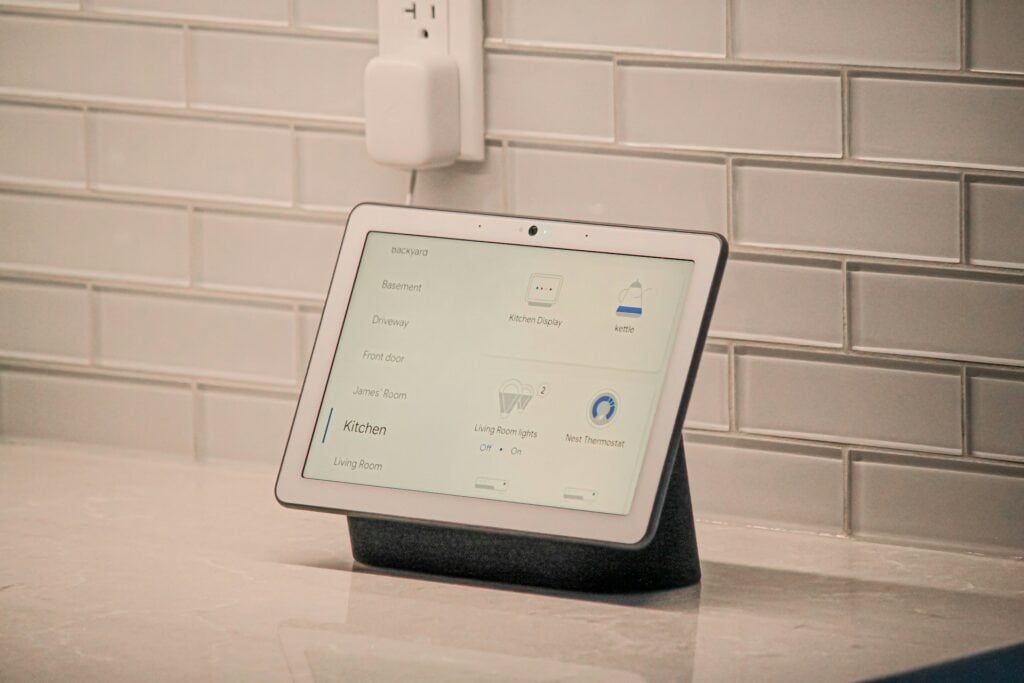
Technology offers fantastic tools for monitoring your home from anywhere in the world. Smart home devices can provide both convenience and a significant security boost. A video doorbell allows you to see and speak to anyone who approaches your front door, whether it’s a delivery person or an unexpected visitor.

You can also use smart plugs or bulbs to set timers for lights and even televisions, creating a pattern of activity that mimics your normal routine. Some systems even have a “vacation mode” that randomizes the times to make it look more natural. Smart locks can be used to grant temporary access to a pet sitter or house checker without needing to hand out physical keys.

Deterring Intruders Effectively

Making your home a less attractive target is a key strategy. Most intruders are looking for easy opportunities, so anything that makes entry more difficult or time-consuming is a powerful deterrent. Start with the basics: ensure all windows and doors have strong, functioning locks, and use them.

For a more permanent upgrade, consider reinforcing potential weak points like glass doors or large ground-floor windows. Security films can make glass much harder to break, delaying or preventing entry. If you’re looking for this type of solution, a local DFW Security Glass company can assess vulnerabilities and recommend options.

Also, trim back any overgrown bushes or trees near windows and doors that could provide cover for someone trying to get in. Keep your property well-lit with motion-sensor lights, especially around entry points and dark corners of your yard.

Neighbor Watch Programs

Your neighbors can be your greatest allies in home security. A connected community where people look out for one another is a strong defense. If your neighborhood has a formal program, make sure you’re a part of it. If not, you can still create an informal network.

Let a trusted neighbor know about your travel plans. Give them your contact information and the key to your home in case of an emergency. They can keep an eye out for any unusual activity, collect stray packages, and even park a car in your driveway occasionally to help maintain the appearance of an occupied home. This simple act of community cooperation is one of the most effective ways to deter neighborhood crime.

Returning to a Secure Home

Coming home should be a happy experience, not a stressful one. Before you even walk in the door, do a quick visual check of the property’s exterior. Look for any signs of disturbance, like open windows or damaged locks.

Once inside, do a walk-through to ensure everything is as you left it. Check for any plumbing issues, like leaks, and make sure your appliances are functioning correctly. Unpack, relax, and enjoy the feeling of being back in your own secure space, ready to plan your next adventure.

Taking these steps before you travel allows you to fully disconnect and enjoy your trip. A little preparation goes a long way in protecting your home and giving you the freedom to explore without worry.

The post Peace of Mind: Securing Your Home While Traveling appeared first on ThingsMenBuy.com.


from ThingsMenBuy.com https://www.thingsmenbuy.com/peace-of-mind-securing-your-home-while-traveling/
via IFTTT


Thursday, August 27, 2026

Moving Into a Home with a Pool: What to Know

Moving Into a Home with a Pool

Moving into a new home is exciting, right? But when that new place comes with a swimming pool, well, that’s a whole new level of awesome! You’re probably already picturing sunny afternoons and lazy weekends by the water. While a pool definitely means endless fun, it also brings a few new responsibilities. If you’re a first-time pool owner, getting a handle on the basics early on will save you a lot of headaches and unexpected costs. Many homebuyers are now figuring out the ins and outs of buying a home with a pool, and a little bit of preparation goes a long way.

First Steps for Pool Owners

Before you even think about cannonballing in, there are a few important first steps to take. If you didn’t get a separate, detailed pool inspection when you bought the house, now’s the perfect time to schedule one. A pro can spot any existing issues with the equipment, liner, or plaster, giving you a clear picture of your pool’s health right from the start.

Next up, get to know your water. Grab a good-quality water testing kit and learn how to use it. You’ll need to regularly check levels like chlorine, pH, alkalinity, and calcium hardness to keep the water sparkling and safe. Finally, find all your pool equipment. That means the pump, filter, shut-off valves, and circuit breakers. Knowing where everything is before something goes wrong is a huge relief.

Understanding Your Pool Equipment

Think of your pool’s circulation system as its heart and veins. It’s made up of a few key parts. The pump is the “heart,” pulling water from the pool and pushing it through the filter. The filter then cleans out dirt, debris, and other yucky stuff before sending that clean water right back into the pool. You might even have a heater, which is great for stretching out your swim season.

It’s a smart idea to read the manuals for your specific models so you understand how they work and when they need a little TLC. The pump, especially, can sometimes confuse new owners. If you notice weak water flow from your jets or hear weird grinding noises, a good pool pump troubleshooting guide can help you figure out what’s going on. Often, it’s something simple like cleaning out a clogged basket.

Common Pool Issues for New Owners

One of the most common (and alarming!) things new pool owners face is waking up to green or cloudy water. This almost always points to a chemical imbalance, usually not enough chlorine, which lets algae throw a party. Getting comfortable with basic pool water chemistry is your best defense against this. Regular testing and balancing will keep your water crystal clear.

Other common issues include debris floating around, which just needs regular skimming and vacuuming, or equipment that suddenly stops. Sometimes the fix is as easy as flipping a tripped breaker or resetting a timer. Learning to spot these simple problems yourself can save you the hassle and cost of calling a service tech.

Budgeting for Pool Maintenance

A pool is definitely a luxury, and it comes with ongoing costs. It’s smart to budget for them so you’re not caught off guard. Monthly expenses will include chemicals, which can run anywhere from $50 to $100, depending on your pool’s size and how much you use it. You’ll also see your electricity bill go up from running the pump, adding another $30 to $100 (or more!) each month.

Beyond those regular costs, set aside some cash for occasional maintenance and repairs. You might need to swap out a filter cartridge, patch a small leak, or eventually replace a big piece of equipment like the pump or heater. Stashing away a few hundred dollars a year for these potential fixes is a really smart financial move.

Finding Reliable Pool Service

Even if you plan to handle most of the upkeep yourself, you might want to hire a pro for opening and closing the pool each season, or for tackling tricky repairs. Finding a reliable pool service company is important. Start by asking your neighbors with pools for their recommendations.

When you’re checking out companies, look at online reviews and ask for proof of insurance. A good company will be happy to give you references and a clear estimate for their work. Don’t hesitate to get quotes from two or three different providers to compare prices and what’s included in their service packages. This way, you’ll find a trustworthy partner to help keep your backyard oasis in tip-top shape.

Taking the time to learn about your new pool will make owning it so much more fun. Once you get into a routine, the maintenance becomes second nature, leaving you with more time to simply kick back and enjoy the water.

The post Moving Into a Home with a Pool: What to Know appeared first on ThingsMenBuy.com.


from ThingsMenBuy.com https://www.thingsmenbuy.com/moving-into-a-home-with-a-pool-what-to-know/
via IFTTT

Wednesday, August 26, 2026

The Essential Tech for Staying Connected

Essential Tech for Staying Connected

In a world where family can be scattered across continents, and work meetings happen in virtual rooms, staying connected isn’t just nice to have; it’s essential. The technology we use to bridge these gaps has become a core part of our daily lives. From quick texts to long video chats, the quality of our tools directly impacts how good our connections feel. Making sure you have the right gear isn’t about chasing the latest trend; it’s about making every interaction clear, reliable, and meaningful.

Bridging Distances with Gadgets

The foundation of modern connection lies in the hardware we hold and place on our desks. Smartphones, tablets, and laptops are our main windows to the world, but how well they work depends on their capabilities. A high-resolution screen makes a video call with a loved one feel more personal, and a powerful processor ensures your stream doesn’t lag during a critical work presentation. Modern technology keeps us connected by closing physical distances, turning a thousand miles into a simple tap on a screen. Don’t just think about the device itself; consider accessories like a stable, wide-angle webcam or a comfortable keyboard that makes typing long emails less of a chore.

Communication in a Digital Age

Having the right hardware is only half the battle; the software and platforms we use are just as important. We have countless apps for different kinds of communication, from instant messaging services like Signal and WhatsApp for quick updates to robust video conferencing platforms like Zoom and Microsoft Teams for group gatherings. The trick is to pick the right tool for the job and use it thoughtfully. Instead of letting notifications control your day, focus on meaningful connections by setting aside specific times for calls and cutting down on distractions. This deliberate approach turns digital noise into real conversation.

Hear Every Word, Make Every Connection

You can have the best camera and fastest internet in the world, but if the audio is bad, the connection falls apart. Misunderstandings, constant requests to repeat yourself, and the strain of trying to listen can turn a pleasant chat into a frustrating experience. A quality headset with a noise-canceling microphone is a great start to make sure you’re heard clearly. Just as important is being able to hear others. If you’re always turning up the volume or missing parts of conversations, the problem might not be the technology itself, but perhaps you need some car gadgets for better audio. For many, personal hearing clarity is the final piece of the puzzle. Modern solutions like rechargeable hearing aids offer a discreet way to catch every word, connecting directly with smartphones and other devices for crystal-clear audio.

Seamless Integration for Your Life

The best technology is the kind you don’t even notice. When your devices work together smoothly, staying connected becomes effortless. This is the power of a well-integrated ecosystem. Imagine getting a calendar notification for a family video call on your smartwatch, accepting it on your phone, and then casting the call to your smart TV so everyone in the room can join. Bluetooth is the unsung hero here, linking our headphones, speakers, and devices without a mess of cables. This level of integration reduces friction and removes the technical hurdles that can get in the way of spontaneous and planned interactions, making connection a natural part of your day.

Investing in Clearer Conversations

Communication technology is an investment in relationships, not just an expense. A reliable router, quality microphone, and clear audio can make conversations, work meetings, and virtual gatherings more seamless.

Good technology doesn’t replace human connection. It makes it easier to maintain and strengthen relationships across any distance.

The post The Essential Tech for Staying Connected appeared first on ThingsMenBuy.com.


from ThingsMenBuy.com https://www.thingsmenbuy.com/the-essential-tech-for-staying-connected/
via IFTTT

Tuesday, August 25, 2026

Smart Spending on Tech: How to Get Premium Gadgets Without Overspending

Smart Spending on Tech

We’ve all been there. That shiny new flagship phone, ultra-thin laptop, or feature-packed smartwatch catches your eye. The marketing is slick, the reviews are glowing, and you can already imagine how it will improve your daily life. Then you see the price tag, and reality hits. Getting the best tech often feels like a choice between settling for less or emptying your bank account.

But it doesn’t have to be that way. With a little strategy and a willingness to look beyond the hype, you can own premium gadgets without paying a premium. It’s not about being cheap; it’s about being smart. By understanding the market, timing your purchases, and knowing where the real value lies, you can build an impressive tech collection that works for your lifestyle and your wallet.

Know When to Splurge and When to Save

The first rule of smart tech spending is to recognize that not all “premium” features are created equal. Marketers are experts at making small upgrades sound like huge leaps forward. Your job is to cut through the noise and figure out what truly matters for your specific needs. Before you add anything to your cart, ask yourself what problem you’re trying to solve.

Are you a photographer who needs the absolute best camera sensor on a smartphone? Then maybe that’s where you splurge. But if you primarily use your phone for browsing, messaging, and listening to podcasts, last year’s mid-range model is likely more than enough. The same logic applies to laptops. A creative professional editing 4K video needs raw power, but someone writing emails and managing spreadsheets can get excellent performance from a much more affordable machine.

It helps to list your “must-have” features versus your “nice-to-have” ones. This simple exercise can show you where to spend your money. You might find that the expensive version isn’t always worth it. In fact, many experts have identified key gadgets to save on where budget or mid-range options provide the best value. Don’t let the fear of missing out (FOMO) drive your decisions; let practical needs guide your spending.

The Power of ‘Good Enough’: Embracing Refurbished and Last-Gen Tech

One of the biggest money-saving secrets in the tech world is embracing products that aren’t brand new. The obsession with having the latest model is costly, as devices lose value the moment they leave the box. A gadget from one or two generations ago often delivers 95% of the performance for a fraction of the price. This “good enough” philosophy is the cornerstone of savvy tech buying.

The refurbished market, in particular, offers incredible value. These aren’t just “used” items; they are devices that have been returned, professionally inspected, repaired, and certified to be in full working order. Reputable sellers often include a warranty, giving you confidence in your purchase. Adopting a more frugal approach to buying tech doesn’t mean settling for junk; it means finding hidden value where others aren’t looking.

Take wearables, for example. Instead of paying top dollar for the newest release with a slightly brighter screen or one new sensor, a high-quality refurbished Apple Watch can provide nearly all the same core functionality. You still get fitness tracking, notifications, and apps, but at a much more accessible price. This approach works for phones, laptops, tablets, and even high-end headphones. You get the premium brand experience without the punishing launch-day cost.

Master the Art of Timing Your Purchases

When you buy matters as much as what you buy. The tech industry runs on predictable cycles, and you can use this to your advantage. The most obvious timing strategy is to wait for major sales events. Black Friday, Cyber Monday, and Amazon Prime Day are famous for a reason; they offer deep discounts on a wide range of electronics. If you can wait for one of these sales, you can often save hundreds of dollars on big-ticket items.

Beyond annual sales, watch product release cycles. When a company announces a new iPhone or Samsung Galaxy, the previous model’s price almost always drops immediately. Retailers need to clear out old inventory to make room for the new. This is the perfect time to snag a fantastic device that was considered top-of-the-line just a few weeks earlier.

Finally, look for “end-of-life” deals. As a product nears the end of its production run, retailers often offer significant markdowns to sell off the last remaining units. While these gadgets may not be the newest, they can be an absolute steal if they still meet your needs. A little patience can lead to massive savings.

Do Your Homework: Research Beyond the Hype

Never buy a gadget based on a single ad or a company keynote. Your most powerful tool as a consumer is information. Before you commit, spend time doing independent research to get a full picture of the product’s strengths and weaknesses.

Start with professional reviews from trusted tech publications and YouTube channels. Look for reviewers who offer balanced perspectives and compare the product against its direct competitors. They often highlight flaws or quirks that marketing materials conveniently ignore. User reviews on retail sites can also be valuable, but read them critically. Look for recurring themes, both positive and negative, rather than focusing on a single glowing or scathing review.

It’s also crucial to look beyond the spec sheet. Two laptops might have the same processor and amount of RAM on paper, but performance can vary wildly due to cooling, software optimization, and build quality. This is where in-depth reviews become essential. Before you pull the trigger on a big purchase, it’s wise to review a few smart money moves to ensure the tech fits your budget and long-term needs. A few hours of research can prevent you from making a costly mistake.

Build Your Ecosystem Strategically

Tech companies love to lock you into their “ecosystem.” Once you have an iPhone, an Apple Watch and AirPods seem like the natural next steps because they work so seamlessly together. While this integration is convenient, it can also be a very expensive trap. Building your tech collection strategically means thinking about compatibility and avoiding being tied to a single brand unless it truly serves your needs.

When considering a new device, look for one that uses open standards. For example, headphones that use standard Bluetooth will work with any phone or laptop, not just one from a specific brand. A smart home device that supports multiple platforms like Google Assistant, Amazon Alexa, and Apple HomeKit gives you more flexibility for future purchases.

This doesn’t mean you should avoid ecosystems entirely. They offer real benefits. The key is to choose consciously rather than defaulting to one. Decide which ecosystem, if any, offers the features you value most. When you’re looking for the best tech gifts for someone, considering what devices they already own is a great way to ensure your gift is useful and appreciated. A strategic approach ensures your gadgets work for you, not the other way around.

The next time a shiny new piece of tech tempts you, take a moment to think like a smart spender. Question the hype, consider alternatives, and do your research. The most satisfying purchase isn’t always the most expensive one; it’s the one that delivers the most value for your money.

The post Smart Spending on Tech: How to Get Premium Gadgets Without Overspending appeared first on ThingsMenBuy.com.


from ThingsMenBuy.com https://www.thingsmenbuy.com/smart-spending-on-tech-how-to-get-premium-gadgets-without-overspending/
via IFTTT

Boost Your Game: Tech Upgrades for Peak Performance

Boost Your Game

Technology has a way of seeping into every corner of our lives. It’s no longer just about smarter work or faster communication. The right tech can genuinely boost your performance in your hobbies, health, and daily routines.

From tracking your fitness with pinpoint accuracy to experiencing entertainment on a new level, strategic upgrades can make a significant difference in how you live and play.

Smart Wearables for Fitness Tracking

One of the most direct ways to upgrade your personal performance is by understanding your body’s data.

Smart wearables have come a long way from simple step counters. Today’s devices are sophisticated health hubs you wear on your wrist, finger, or chest. They monitor everything from heart rate variability and sleep cycles to blood oxygen levels and workout intensity. This information helps you train smarter, recover faster, and spot patterns in your overall wellness.

Whether you’re a seasoned athlete or just trying to move more each day, the feedback from a good wearable is invaluable. The latest wearable tech can offer personalized coaching, reminding you to move or suggesting an easier day after a poor night’s sleep.

By giving you objective data, these gadgets take the guesswork out of your health. There are many options on the market, so it’s worth checking reviews to find the best devices that align with your specific goals, whether for running, swimming, or general health monitoring.

Investing in Sensory Clarity

Peak performance isn’t just about physical output; it’s also about how clearly you perceive the world around you. Enhancing your senses with technology can be a profound upgrade. For a music aficionado or gamer, this might mean investing in high-fidelity headphones that reveal new layers in a soundtrack. For a photographer, it could be a high-resolution monitor that shows true-to-life color.

This idea extends to our most fundamental senses, like hearing. The ability to communicate effectively in a noisy restaurant or follow a conversation in a busy meeting is a form of performance. Modern technology has transformed hearing assistance, moving far beyond simple amplification. Advanced devices now use sophisticated processing to isolate speech and reduce background noise. In fact, many top-tier AI hearing aids can learn and adapt to different sound environments, automatically adjusting to give you the clearest experience possible. This isn’t just about hearing more; it’s about hearing better.

Upgrading Your Home Entertainment

After a long day, your relaxation time should be top-notch. Upgrading your home entertainment setup is an investment in quality downtime. A 4K or 8K television with HDR (High Dynamic Range) technology delivers a stunningly crisp and vibrant picture that makes movies and sports feel incredibly immersive. The difference from older HD screens is immediately noticeable, with deeper blacks and brighter, more realistic colors.

But visuals are only half the story. A quality soundbar or a full surround-sound system with Dolby Atmos technology can transform your living room into a private theater. You’ll hear sound effects not just from in front of you but from above and all around, placing you right in the middle of the action. Tying it all together with smart lighting that dims when you press play creates an experience that rivals any movie theater.

Gadgets for Outdoor Adventures

For those who prefer the great outdoors, technology can make your adventures safer and more enjoyable. Modern outdoor gadgets are built to be rugged, lightweight, and reliable when you need them most. A handheld GPS device or a smartwatch with advanced mapping capabilities ensures you never lose your way, even when you’re far from a cell signal.

Portable solar panels and power banks provide peace of mind, allowing you to keep your essential devices charged on multi-day trips. Action cameras let you capture your exploits in stunning high-definition video, so you can relive your favorite moments. These tools don’t detract from the nature experience; they enhance it by removing worry and adding a layer of security and convenience.

How AI Enhances Daily Life

Artificial intelligence is no longer a futuristic concept; it’s a practical tool that enhances countless daily tasks. AI works quietly in the background of many apps and services you already use. Your navigation app uses it to find the fastest route by analyzing real-time traffic patterns. Your email client uses it to filter out spam and prioritize important messages.

You can also actively use AI to boost your skills. Language-learning apps use AI to create personalized lesson plans based on your progress. Smart home assistants like Alexa or Google Assistant can manage your schedule, control your lights, and answer questions, freeing up your mental energy for more important things. By automating small decisions and optimizing routines, AI helps streamline your day for peak efficiency.

Choosing the right technology means identifying areas in your life where a smart upgrade can offer a real return. Whether it’s in your health, hobbies, or home, the right gadget can help you perform at your best.

The post Boost Your Game: Tech Upgrades for Peak Performance appeared first on ThingsMenBuy.com.


from ThingsMenBuy.com https://www.thingsmenbuy.com/boost-your-game-tech-upgrades-for-peak-performance/
via IFTTT

Thursday, August 20, 2026

The Tech Behind Keeping Your Ride in Top Shape

Tech on Ride

Gone are the days when a bit of know-how and a decent set of spanners were all you needed to keep your car in good shape. Modern vehicles are packed with more computing power than the first spaceships, which means car care has become a high-tech affair. Understanding the technology working behind the scenes is now key to keeping your ride performing at its best and avoiding costly surprises down the road. From advanced engine management systems to intricate sensor networks, mastering auto diagnostics helps you address issues proactively before they turn into major repairs.

Beyond the Wrench: Modern Auto Tools

While the trusty wrench and socket set still have their place, the modern mechanic’s toolbox looks very different. Today, it’s filled with sophisticated electronic equipment designed to diagnose and repair complex vehicle systems. Digital torque wrenches, for example, ensure every bolt is tightened to precise manufacturer specifications, preventing damage to sensitive components.

Technicians also use thermal imaging cameras to spot overheating parts or hidden electrical faults that would be invisible to the naked eye. Advanced borescopes, which are tiny cameras on flexible tubes, allow them to inspect the inside of an engine without taking it apart. These tools aren’t just fancy gadgets; they enable faster, more accurate, and less invasive repairs, saving both time and money.

Decoding Your Vehicle’s Warning Lights

That little light that suddenly appears on your dashboard can cause instant panic. Whether it’s the dreaded “Check Engine” light, the ABS symbol, or the airbag warning, your car is trying to tell you something. These lights are connected to your vehicle’s On-Board Diagnostics (OBD) system, which constantly monitors hundreds of parameters.

When the system detects a reading that’s outside the normal range, it triggers a warning light and stores a Diagnostic Trouble Code (DTC). Many people mistakenly think this code tells you exactly what part to replace. But in reality, a code like ‘P0420 – Catalyst System Efficiency Below Threshold’ simply points to a symptom, not the cause. It could be a faulty oxygen sensor, an exhaust leak, or a failing catalytic converter. The light is the start of the diagnostic process, not the end.

Why Expert Diagnostics Matter

You can buy a cheap OBD-II scanner online that will read basic trouble codes from your car’s computer. While it might give you a starting point, it lacks the depth and context to properly diagnose the issue. This is where the expertise of professional mechanics becomes invaluable. They use advanced, professional-grade diagnostic scanners that do far more than just read codes.

These powerful tools can access live data streams from every sensor in the vehicle, run active tests on specific components, and tap into extensive databases of manufacturer-specific information. An expert technician can interpret all this data, compare it against known issues for your vehicle’s make and model, and accurately pinpoint the root cause of the problem. This prevents the costly and frustrating cycle of replacing parts based on guesswork.

Preventive Tech for Longer Car Life

Many modern cars come with equipment designed to prevent problems before they even start. Tyre Pressure Monitoring Systems (TPMS) alert you to underinflated tyres, which not only saves fuel but also prevents uneven wear and the risk of a blowout. Many vehicles now have oil life monitors that calculate the ideal time for an oil change based on your actual driving habits, rather than just a fixed mileage interval.

Even more advanced are the driver-assistance technologies like adaptive cruise control and automatic emergency braking. Besides improving safety, these systems can contribute to a longer car life by promoting smoother driving. They reduce harsh acceleration and sudden braking, which puts less stress on your engine, transmission, and brakes over time.

The Future of Auto Repair Tech

The evolution of automotive technology shows no signs of slowing down. The next frontier is predictive maintenance, where cars will use artificial intelligence to analyse data and predict when a part is likely to fail, allowing you to fix it proactively. We’re also seeing the rise of over-the-air (OTA) updates, where manufacturers can fix software glitches and even improve performance remotely, just like a smartphone update.

For technicians, augmented reality (AR) is set to become a powerful tool. Imagine a mechanic wearing AR glasses that overlay digital repair instructions, wiring diagrams, or 3D models directly onto the engine they are working on. This technology will help streamline complex repairs and ensure they are done correctly the first time, even on the most advanced vehicles.

While cars are becoming more complex, the technology to maintain them is advancing right alongside. This tech gives us unprecedented insight into our vehicles’ health, helping us keep them running safer and longer than ever before.

The post The Tech Behind Keeping Your Ride in Top Shape appeared first on ThingsMenBuy.com.


from ThingsMenBuy.com https://www.thingsmenbuy.com/the-tech-behind-keeping-your-ride-in-top-shape/
via IFTTT

What Happens After an Arrest? Your Questions Answered

What Happens After an Arrest?

Facing an arrest can be a disorienting and stressful experience, full of uncertainty about what happens next. Understanding the steps that follow is the first move toward regaining some control.

This guide breaks down the process, from the initial moments at the station to your first day in court, to help clarify the path ahead.

The Initial Booking Process

After an arrest, you’ll typically go to a local police station for booking. This is an administrative procedure where police record your personal information into their system. An officer will take your photograph, often called a mug shot, and collect your fingerprints.

They will also ask for basic details like your name, address, and date of birth. Your personal belongings will be inventoried and held for safekeeping until your release. While it can feel intimidating, booking is a standard part of what happens after an arrest and creates an official record of the event.

Understanding Bail and Release Options

After booking, the next major question is about release. Depending on the charge, you might be released on your own recognizance, which means you promise to appear in court. Or, bail might be set. Bail is a financial guarantee that you will return for future court dates. A judge determines the amount, or it follows a standard bail schedule. If you can’t afford the full bail amount, you might work with a bail bonds company.

Understanding the bail process can be complex, and the options can be confusing. This is an early stage where getting advice from a legal professional specializing in criminal defense can be extremely helpful for securing a release.

Your First Court Appearance

Your first court appearance is called an arraignment. This is not a trial. It’s a formal hearing where you will hear the official charges against you. The judge will make sure you understand your constitutional rights, including the right to an attorney.

At this stage, you will enter a plea. The typical options are guilty, not guilty, or no contest. Pleading not guilty is common, even if you’re unsure about your defense. It preserves your rights and gives your legal team time to review evidence and build a case. The judge will also set dates for future proceedings.

Why You Need a Legal Advocate

The legal system is intricate, with its own language and procedures. A legal advocate does more than just represent you in court; they guide and defend you throughout the entire process. From the moment of arrest, a lawyer can work to protect your rights, ensuring you aren’t subjected to improper questioning or procedures.

They will analyze the prosecution’s evidence, identify weaknesses in the case, and develop a sound defense strategy. A skilled attorney can also negotiate with prosecutors for reduced charges or alternative resolutions, potentially before a trial ever begins.

Exploring Diversion Programs

Not every case ends in a trial or a plea bargain. Many jurisdictions offer diversion programs as an alternative to traditional prosecution. This is especially true for first-time offenders or those facing non-violent charges. These programs aim to address the root causes of behavior without creating a permanent criminal record.

Successfully completing a diversion program, which might include counseling, community service, or educational classes, can lead to the charges being dismissed. An attorney can determine if you are eligible for such a program and help negotiate your entry into one, offering a path toward resolving the situation constructively.

The steps after an arrest are a structured legal process. Knowing what to expect can reduce some anxiety, but professional guidance is essential to protecting your future.

The post What Happens After an Arrest? Your Questions Answered appeared first on ThingsMenBuy.com.


from ThingsMenBuy.com https://www.thingsmenbuy.com/what-happens-after-an-arrest-your-questions-answered/
via IFTTT

Wednesday, August 19, 2026

Smart Home Tech That Prevents Costly Disasters

Smart Home Tech

Your home is a huge investment, right? So keeping it safe is probably high on your list. But let’s be real, you can’t be everywhere at once, watching out for dripping pipes, failing pumps, or other sneaky problems. That’s where smart home tech steps in, acting like a 24/7 guardian against some of the most common and expensive household headaches. With a network of connected sensors and automated gadgets, you can catch small issues before they blow up into huge messes.

Proactive Protection for Your Property

For ages, home maintenance was all about reacting. You’d find a leak, then you’d fix it. You’d spot mold, then you’d deal with it. Smart technology totally flips that script, letting you get ahead of problems and potentially save thousands on repairs. Instead of coming home from a weekend away to a flooded basement, you can get an alert on your phone the second water is detected.

This isn’t just about making life easier, either. Many insurance companies actually see the value in these systems, since a smart home for protection can really cut down on the risk of big claims. Devices that keep an eye out for water leaks, sudden temperature drops, or smoke can give you that crucial head start you need to stop damage or at least minimize it.

Monitoring Critical Water Levels

Water damage is one of the nastiest and priciest problems a homeowner can face. It could be from a burst pipe, a clogged drain, or even a faulty appliance. Smart water sensors are your first line of defense here. These little gadgets can be tucked into high-risk spots like basements, laundry rooms, and under sinks.

At the heart of many water management setups are some super simple, yet brilliant, parts that automate the whole process. Things like float switches are key players in systems designed to handle water levels. They work by kicking off an action, like turning on a pump or sending an alert, when water hits a certain point. This basic idea is used everywhere, from sump pumps to big industrial applications, offering reliable, automatic control.

Automating Sump Pump Systems

If you’ve got a basement, your sump pump is a real unsung hero, quietly working to keep groundwater from turning your lower level into a swimming pool. But what happens when it conks out? A regular sump pump won’t give you any heads-up; it just stops working, usually during a huge rainstorm, which is the absolute worst timing.

Smart home tech adds a vital layer of security. You can plug your sump pump into a smart outlet to get alerts if it loses power or stops drawing electricity (a sign its motor might be seizing up). Even better, you can put a smart water level sensor right in the sump pit. This will tell you if the water is rising faster than the pump can handle, or if the pump isn’t running at all. That gives you time to jump in before your basement becomes an indoor lake.

Tank Management for Home & Hobby

The same tech that protects your basement can be used for all sorts of other things around the house. Keeping tabs on liquid levels isn’t just for avoiding disasters; it’s also great for managing resources for home projects and hobbies.

Think about these uses:

  • Rainwater Barrels: A sensor can let you know when your barrel is full so you can redirect the overflow, or when it’s almost empty.
  • Big Aquariums: For serious fish enthusiasts, keeping the water level just right is super important. A sensor can warn you about water evaporating or a slow leak from a filter connection.
  • Well Water Systems: If you rely on well water, a sensor in your holding tank can give you valuable info on how much water you’re using and alert you to potential pump problems if the tank isn’t refilling as it should.

Integrating Sensors for Peace of Mind

The real magic of smart home disaster prevention happens when you link up several devices into one smooth system. A water sensor in the basement, a smoke detector in the hall, and a temperature sensor in the attic can all report back to a central hub and, most importantly, to your phone. This creates a full safety net that keeps you in the loop no matter where you are.

There’s a growing market of smart home protection tools that you can mix and match to fit your specific place. You can set up rules and automations, like having a smart water valve automatically shut off the main water supply if it spots a leak. This level of integration turns your house from just a building into an active environment that helps protect itself.

Investing in a few key smart devices isn’t some fancy extra anymore; it’s a smart, practical move to secure your property. Just starting with one sensor can be the first step toward a smarter, better-protected home that offers security long before disaster even has a chance to show up.

The post Smart Home Tech That Prevents Costly Disasters appeared first on ThingsMenBuy.com.


from ThingsMenBuy.com https://www.thingsmenbuy.com/smart-home-tech-that-prevents-costly-disasters/
via IFTTT

Smart Home Climate Control for the Modern Man

Climate Control

Controlling your home’s temperature used to be simple: you’d walk over to a beige box on the wall and nudge a dial. Today, managing your home’s climate is about much more than just setting a temperature. It’s about creating a responsive, efficient, and perfectly comfortable environment that adapts to your life. Smart home climate control puts that power right in your hands, transforming a basic utility into a sophisticated system that saves you money and boosts your comfort. From programmable thermostats to advanced zoning systems, these smart HVAC upgrades offer unparalleled control and efficiency, making your home more responsive to your lifestyle and budget.

Beyond the Basic Thermostat

What Exactly Is a Smart Thermostat?

The classic thermostat, even the programmable kind, is a bit of a blunt instrument. It just follows a rigid schedule, no matter if you’re home, away, or just feeling a bit warmer than usual. A smart thermostat, though, is a major leap forward. These gadgets connect to your home’s Wi-Fi, letting you control your heating and cooling from anywhere using a smartphone app. This seamless connectivity is a prime example of how modern HVAC system integration significantly enhances your home’s overall infrastructure performance and efficiency.

But their real smarts come from their ability to learn. Many smart thermostats, like those from Nest or Ecobee, pick up on your daily routines over time. They figure out when you leave for work, when you typically get home, and what temperatures you prefer throughout the day. This helps them build a dynamic schedule that goes way beyond a simple “weekday” and “weekend” setting. It optimizes your home’s energy use without you having to lift a finger.

Integrating Climate with Your Ecosystem

A smart thermostat is pretty powerful on its own, but it really shines when you link it up with the rest of your smart home. Imagine telling your voice assistant, “Good morning,” and having the heat kick on, the lights brighten, and your favorite playlist start. This kind of integration turns individual smart home devices into one smooth, automated system. You can set up routines where your thermostat adjusts automatically when you lock the front door or when smart blinds close to block the afternoon sun.

This connectivity also gives you some handy insights. Some systems can even alert you if the temperature suddenly rises, which might hint at a problem with your HVAC unit. While a smart device can flag an issue, it can’t actually fix a broken part. If your system reports that it’s running but not cooling, you’ll still need professional air conditioning repair to figure out what’s wrong with the hardware. The smart hub gives you that early warning, but the solution often still involves a real person and real tools.

Maximizing Efficiency and Comfort

The main reasons to upgrade are saving money and feeling more comfortable, and smart systems really deliver on both. One of the coolest features is geofencing. This uses your phone’s location to automatically switch your HVAC to an energy-saving “Away” mode when you leave and then turn on your preferred temperature as you head back home. You’ll never waste money cooling an empty house again.

Most smart thermostats also give you detailed energy reports. These breakdowns show you exactly how many hours your system ran each day and offer personalized tips for using less energy. Many people are surprised to see how even small changes can lead to big savings on their monthly bills. These systems are designed to provide the benefits of smart climate control by making it easy to see where your energy dollars are going and how to keep more of them in your pocket.

When Smart Systems Need Expert Care

A smart thermostat is like the brain of your climate control system, but your furnace and air conditioner are the heart and lungs. No amount of smart tech can make up for an HVAC unit that isn’t well-maintained. Clogged filters, dirty coils, and low refrigerant levels force your system to work harder, which drives up energy costs and shortens its life. Even with a smart schedule, a struggling AC unit just won’t keep you comfortable.

Think of it like putting a high-performance engine computer in a car that really needs an oil change. The computer can optimize everything, but it can’t fix the basic mechanical problem. Make sure to schedule regular professional maintenance for your HVAC system. A technician can clean the components, check for leaks, and make sure the whole system is running as efficiently as possible. That way, your smart thermostat can do its job effectively.

Future-Proofing Your Home’s Air

The world of smart climate control is always changing. The next big thing is moving beyond just one thermostat to a whole-home solution. Smart vents are becoming more common, letting you control the temperature in each room individually. This means you can keep your bedroom cooler for sleeping without freezing the rest of the house, giving you personalized comfort and avoiding wasting energy on empty spaces.

Indoor air quality (IAQ) is another big focus. Newer systems include sensors that keep an eye on humidity, carbon dioxide, and tiny particles in the air. When these sensors spot poor air quality, they can automatically turn on air purifiers, humidifiers, or ventilation systems. This creates a healthier living environment, which is just as important as a comfortable one. Embracing these technologies helps to enhance home automation and ensures your home is ready for the future of healthy living.

Upgrading your home’s climate control is one of the most practical and rewarding smart home investments you can make. It’s a simple way to increase your daily comfort, reduce your environmental footprint, and take command of your living space.

The post Smart Home Climate Control for the Modern Man appeared first on ThingsMenBuy.com.


from ThingsMenBuy.com https://www.thingsmenbuy.com/smart-home-climate-control-for-the-modern-man/
via IFTTT

Tuesday, August 18, 2026

Essential Safety Gear for Your Next Outdoor Adventure

Safety Gear for Your Next Outdoor Adventure

Getting outdoors is one of the best ways to clear your head and challenge yourself. But whether you’re planning a day hike or a multi-day trek, the gear you carry is more than just stuff; it’s your safety net. The right equipment can turn a potential emergency into a manageable inconvenience, making sure you get home with great stories to tell. This guide covers the essential safety gear you should consider for your next adventure.

Essential Gear for Any Trail

Before you even think about specialized equipment, some foundational items should be in your pack for any outing. The U.S. National Park Service has popularized a list known as The Ten Essentials, which is an excellent starting point for every adventurer. These items are designed to help you handle unexpected situations, from a sudden change in weather to getting lost.

Here are some key items:

  • Navigation: You’ll want a map, a compass, and a GPS device or app on your phone (with a backup battery). Don’t rely solely on electronics.
  • Illumination: A headlamp or flashlight with extra batteries is crucial if your trip takes longer than expected.
  • First-Aid Kit: A pre-made kit is a good start, but customize it with any personal medications and extra blister care.
  • Sun Protection: Sunglasses, sunscreen, and a hat are vital even on cloudy days.

Staying Safe on Water and Land

Your safety responsibilities extend beyond the trail. If your adventure involves kayaking, canoeing, or even just crossing a river, a personal flotation device (PFD) is non-negotiable. On land, being aware of your surroundings is just as important. Watch for unstable terrain, changing weather patterns, and wildlife. Even with the best preparation, accidents can happen, sometimes due to another party’s negligence on a busy trail or waterway. If you’re ever in a situation that results in personal injury, understanding your legal rights and potential options for seeking compensation can help you decide what steps to take next.

Navigating Unexpected Situations

The gear that truly proves its worth is the equipment you hope you never have to use. When you’re miles from the trailhead, you are your own first responder. An emergency shelter, like a lightweight bivy sack or an emergency blanket, can protect you from the elements if you’re forced to spend an unplanned night outdoors. A reliable fire starter, such as waterproof matches or a ferro rod, provides warmth and a way to signal for help. Finally, a sturdy multi-tool or knife can handle everything from gear repairs to first aid, making it one of the most versatile pieces of equipment you can carry.

Choosing the Right Protective Equipment

Beyond the universal basics, your specific activity dictates the need for specialized protective gear. You wouldn’t go rock climbing without a helmet, and the same logic should apply to other sports. For mountain biking, a quality helmet and gloves are essential. For long-distance hiking, sturdy boots with ankle support can prevent twists and sprains on uneven ground. Taking the time to research and invest in essential hiking safety gear tailored to your environment and activity level is a critical step in responsible trip planning. Don’t cut corners on items that protect your head, hands, and feet.

Planning Your Next Big Trip

Your safety gear is only as good as your plan. Before you leave, research your route thoroughly. Check recent weather forecasts and trail conditions. One of the most important safety steps has nothing to do with gear: always leave a detailed itinerary with a reliable person back home. Let them know where you’re going, your planned route, and when you expect to return. Finally, get familiar with your equipment before you need it. Practice setting up your emergency shelter in your backyard and know how to use every item in your first-aid kit. Preparation is the final piece of the safety puzzle.

Investing in your safety means investing in your ability to keep exploring. Take the time to assemble a solid kit, make a plan, and get outside with confidence.

The post Essential Safety Gear for Your Next Outdoor Adventure appeared first on ThingsMenBuy.com.


from ThingsMenBuy.com https://www.thingsmenbuy.com/essential-safety-gear-for-your-next-outdoor-adventure/
via IFTTT

Thursday, August 13, 2026

Post-Divorce Life: Rebuilding and Moving Forward

Post-Divorce Life

Finalizing a divorce closes one chapter, but it also opens a completely new one. The path ahead can feel uncertain as you adjust to a different life, from your daily schedule to your long-term plans. Rebuilding takes time, and it happens one step at a time. This guide offers a practical look at the key areas you’ll need to address to move forward with confidence.

Adjusting Your Daily Routines

Your old routines have likely been upended, whether it was who made coffee in the morning or what you did on a Friday night. This sudden lack of structure can feel disorienting. The trick is to intentionally create new patterns that fit your new life. Don’t try to change everything at once; start small.

Maybe you commit to a morning workout, find a new coffee shop to work from, or join a local club for a hobby you’ve always wanted to try. The goal is to fill the space left by old habits with positive, forward-looking activities. Establishing this new rhythm helps create a sense of stability and personal control. For more ideas, many excellent tips to rebuild your life can help you find your footing.

Managing New Financial Realities

One of the most immediate changes after a divorce is financial. You’re likely moving from a two-income household to a single one, and your expenses and assets have been divided. It’s crucial to get a firm handle on your new financial situation right away. Start by creating a detailed budget that reflects your current income and expenses.

This isn’t just about cutting back; it’s about gaining clarity. Track your spending for a month to see where your money is actually going. This information lets you set realistic goals, whether it’s building an emergency fund, saving for retirement, or planning for a large purchase. Understanding how to approach surviving financially after divorce is a critical skill for securing your future.

Considering Legal Agreement Modifications

Your divorce decree is a legally binding document, but it’s not necessarily set in stone forever. Life changes, and sometimes the original agreements about child support, custody, or spousal maintenance need updates to reflect new circumstances. If you need legal assistance during this process, knowing how to choose the right lawyer for your divorce can help you find someone suited to your specific circumstances. A significant change in income, a necessary job relocation, or a shift in a child’s needs could all be reasons for a modification.

If you find that the original terms are no longer fair or practical, you may need to revisit the agreement. This usually means filing a formal request with the court and showing a substantial change in circumstances. Many people find it helpful to seek guidance from experienced men’s divorce attorneys to understand their rights and options for pursuing a modification.

Co-Parenting Effectively with Ex-Spouses

If you have children, learning to co-parent effectively is one of the most important tasks ahead of you. The focus must always remain on what’s best for your kids. This means setting aside personal feelings to create a stable and supportive environment for them across two households.

Successful co-parenting relies on clear and respectful communication. Here are a few practical strategies:

  • Keep conversations focused strictly on the children. Avoid bringing up past conflicts.
  • Use a shared digital calendar or co-parenting app to track schedules, appointments, and expenses. This minimizes confusion and potential disagreements.
  • Present a united front on major decisions related to health, education, and discipline.
  • Never speak negatively about your ex-spouse in front of your children or use them as messengers.

Dating Again and New Relationships

The thought of dating again can feel both exciting and daunting. There’s no magic timeline for when you should start; the right time is when you feel genuinely ready. It’s often wise to take some time for yourself first, to heal, process the end of your marriage, and rediscover your own interests and identity as an individual.

When you do decide to enter the dating world, be honest with yourself and potential partners. Be upfront about your situation, especially if you have children. Rushing into a serious relationship to fill a void can often lead to more complications. Instead, focus on meeting new people and enjoying the process without pressure. Building a new, healthy relationship starts with being in a healthy place yourself.

Moving on after a divorce isn’t about erasing the past but about building a new future you can be proud of. Focus on taking care of yourself, and the rest will fall into place.

The post Post-Divorce Life: Rebuilding and Moving Forward appeared first on ThingsMenBuy.com.


from ThingsMenBuy.com https://www.thingsmenbuy.com/post-divorce-life-rebuilding-and-moving-forward/
via IFTTT

Tuesday, August 11, 2026

How to Choose the Right Lawyer for Your Divorce

Choose the Right Lawyer for Your Divorce

Choosing a divorce lawyer isn’t always something you get copious amounts of time to do carefully. Often it’s done under a period of increased stress, and you’re limited for time. Yet the decision you make here will have a considerable impact on pretty much everything that follows. It affects how negotiations go, custody arrangements, and much more.

Not every divorce lawyer approaches cases the same way, and a lawyer who’s a great fit for one person might be completely the wrong person for another one.

But how can you find out who might be the right choice and make this difficult process a little bit easier by having the right person on your corner?

Look for Experience with Men’s Divorce Cases Specifically

Divorce cases can play out differently depending on the specific circumstances involved. And finding a lawyer with direct experience handling men’s divorce cases is likely going to be more familiar with the particular challenges that tend to come up, from custody disputes to asset division. Ask them directly about this experience during your initial consultation so you can get a clear sense of whether their background actually matches what you need or are looking for from your lawyer.

Ask About Their Approach to Custody and Parenting Time

Custody arrangements are often one of the most contested parts of a divorce, and how a lawyer approaches these discussions and what they push for in terms of visitation or equal custody, etc, will help you determine if you want them in your corner or not. If it doesn’t match up with how you’re seeking, then you can rule them out as a good fit for you.

If they can point to specific outcomes from past cases rather than speaking in generalities, this will give you a more honest sense of what you can realistically expect from them.

Check How They Handle Communication and Availability

A lawyer who is difficult to reach or slow to respond can add unnecessary stress to an already difficult time, especially when time-sensitive decisions come up. Asking upfront about typical response times, who handles day-to-day communication, and how updates are usually shared sets clear expectations before signing an agreement rather than discovering a mismatch partway through the case.

You should also clarify whether the lawyer handling the initial consultation will be the one actively working the case since larger firms sometimes hand cases off to other attorneys or paralegals after signing.

Get Clear on Fees Before Signing an Agreement

Legal fees for a divorce can add up quickly, and a lawyer who isn’t upfront with what they charge, how and when, will leave you facing unexpected bills partway through the process. Ask for a clear breakdown of hourly rates, retainer requirements, and what specific services are included so you can avoid confusion later, and you can budget properly for the process ahead, especially if things end up taking longer than anticipated or if there are issues you didn’t realize would be a factor and aren’t included in what was initially discussed.

The post How to Choose the Right Lawyer for Your Divorce appeared first on ThingsMenBuy.com.


from ThingsMenBuy.com https://www.thingsmenbuy.com/how-to-choose-the-right-lawyer-for-your-divorce/
via IFTTT

Monday, August 10, 2026

Planning the Ultimate Guys’ Night Out: Where to Head for Adult Entertainment

Guys' Night Out

Getting the guys together for a night out is essential, but breaking away from the usual routine takes a bit of planning. Whether you’re celebrating a milestone or just need a break from the daily grind, a well-organized guys’ night can be the perfect reset. The trick is to think beyond just grabbing a drink at the local spot and create an experience everyone will remember. From great food to top-tier entertainment, here’s how to plan an epic night out.

Start with a Solid Foundation: Food

Every great night starts with a good meal. This isn’t the time for fast food or a rushed dinner. Instead, pick a restaurant that sets the right tone for the evening. A quality steakhouse, an authentic barbecue joint, or a gastropub with an impressive menu is an excellent choice. The goal is to find a place where you can relax, have a real conversation, and fuel up for the rest of the night. Make a reservation in advance, especially if you have a larger group. This avoids waiting around and killing the momentum before the night has even started.

Level Up the Main Event

Once dinner is done, it’s time for the main entertainment. This is where you can tailor the night to the group’s preferences. If the plan includes some classic adult entertainment, a quick search for the best strip club near me can give you a list of top-rated spots with good reviews. Look for places known for a fun atmosphere and professional entertainers. Other options could include hitting a live music venue to see a favorite band, catching a comedy show for some laughs, or finding a high-energy dueling piano bar. There are many great post-dinner ideas that can keep the energy going.

Try a Unique Class or Activity

For something a little different, think about booking a group activity or class. This can be a great way to bond over a shared experience. A whiskey or craft beer tasting session at a local distillery or brewery is a popular choice. You get to learn something new while enjoying quality drinks in a relaxed setting. Other ideas include a cigar lounge, an axe-throwing venue, or even a group cooking class focused on grilling or cocktail making. These activities provide a built-in structure for the evening and give everyone a chance to try something new together.

The Low-Key Option: Host at Home

Sometimes, the best night out is actually a night in. If you’re looking for a more casual and controlled environment, hosting at home can be a fantastic option. This puts you in charge of the food, drinks, and entertainment. You can fire up the grill, set up a poker table, or put the big game on a projector. It’s a budget-friendly alternative that offers greater flexibility. Planning is still key; you’ll want to stock up on supplies and have a loose agenda to keep things from fizzling out. Learning how to host the perfect guys’ night can help you cover all the bases, from snacks to activities.

Don’t Forget the Logistics

A successful guys’ night depends on smooth logistics. First, figure out transportation. No one should be driving if drinks are involved. Designate a driver beforehand or plan to use ride-sharing services to get everyone to and from each location safely. It’s also smart to discuss a general budget. Knowing what everyone is comfortable spending can prevent awkward moments later. A simple group chat to coordinate the plan, confirm who is coming, and share addresses makes everything run more smoothly.

A little forethought is all it takes to elevate a standard get-together into a truly memorable night. The most important part is simply making the time to connect with your friends and enjoy a well-deserved break.

The post Planning the Ultimate Guys’ Night Out: Where to Head for Adult Entertainment appeared first on ThingsMenBuy.com.


from ThingsMenBuy.com https://www.thingsmenbuy.com/planning-the-ultimate-guys-night-out-where-to-head-for-adult-entertainment/
via IFTTT

Friday, August 7, 2026

From Consoles to Communities: The New Age of Digital Hobbies

The New Age of Digital Hobbies

Not long ago, a man’s free time meant physical spaces and real-world things. Think of the garage, the workshop, the basketball court, or the local pub. While those spots are still around, leisure and recreation have also moved a lot into the digital world. What started as a small hobby has grown into a huge way for men everywhere to find entertainment, connect with others, and even improve themselves. This change doesn’t just show how technology has advanced; it also shows how we now think about hobbies, community, and relaxing.

From simple pixel games to huge, lifelike virtual worlds, digital recreation offers an amazing range of experiences. You can be an explorer, a strategist, a creator, or a competitor, all from your own home. Understanding how this came to be helps us see the depth and value these digital activities bring to modern life.

From Consoles to Online Worlds

Digital recreation started with basic game consoles hooked up to the family TV. Early games were simple, instant fun, often played alone or with a friend right next to you on the couch. The main goal was to beat the high score or finally defeat the last boss. This period made video games a popular hobby, but the experience mostly stayed within your home.

Then the internet changed everything. Once PCs and consoles could connect online, the living room suddenly stretched across the whole world. You weren’t just playing against the computer anymore; you were teaming up with or competing against players from different cities, countries, and continents. This shift turned the evolution of electronic games from a solo activity into a huge social one. Massively Multiplayer Online Role-Playing Games (MMORPGs) created ongoing online worlds where thousands of players could interact, form alliances, and build entire virtual societies. The focus moved from just “beating the game” to becoming part of a living, breathing digital universe.

New Frontiers in Digital Hobbies

As technology got better, “digital hobby” came to mean much more than just traditional video games. The same computing power and online connections that drove gaming also opened up a ton of new recreational activities. Many of these demand just as much skill, strategy, and dedication. These new areas offer a chance for deeper engagement with complex systems and creative tools.

Today, you can find incredibly detailed simulation hobbies. Guys who want to fly can use super-realistic flight simulators that copy actual planes and weather. Racing fans can build elaborate setups to compete in virtual leagues that feel just like professional motorsports. Beyond simulations, digital art is easier to get into than ever. Men are using powerful software for 3D modeling, making digital music, animation, and even developing their own games, turning their creative ideas into digital reality.

This digital expansion is also bringing back classic forms of entertainment. Online platforms are making traditional card and table games accessible, offering a different kind of strategic challenge. For example, platforms like a modern casino arab bring classic card and table games into a digital setting, giving you access to strategy-based play without the need for a physical venue. These platforms are great for those who like games of skill and chance but don’t want the huge time commitment of a massive online world.

Choosing Your Digital Escape

With so many choices, finding the right digital hobby means matching the experience to your personality and what you want from your free time. The huge variety means there’s something for everyone, whether you’re looking for intense competition, a relaxing creative outlet, or a complex strategic challenge. Thinking about what motivates you can help you find the perfect fit.

  • If you like to compete: If you love testing your skills against others, eSports and competitive multiplayer games are your place. Games like *Valorant*, *League of Legends*, or *Call of Duty* have ranked systems where you can climb and prove yourself.
  • If you like to explore: For those who want to get lost in another world, open-world role-playing games (RPGs) like *The Witcher 3* or *Elden Ring* offer huge landscapes to discover, rich stories to uncover, and countless hours of immersive content.
  • If you like strategy: If you enjoy planning, managing resources, and outsmarting opponents, turn-based strategy games like *Civilization VI* or grand strategy titles from Paradox Interactive offer deep, rewarding experiences. This is also why many online card and table games are appealing.
  • If you like to create: If you have a creative spark, games like *Minecraft* offer a literal world-building sandbox. Or, you could explore digital audio workstations (DAWs) to make music or learn a program like Blender for 3D art.

Many of these activities aren’t just for fun; they can actually improve your thinking skills. Research shows that many types of video games can boost abilities like problem-solving, spatial reasoning, and switching between tasks, offering real psychological benefits of video games.

Connecting in Virtual Spaces

Perhaps the most important part of modern digital recreation is how it helps people connect. The old idea of a lonely gamer in a dark basement is far from the truth. For millions, online worlds are key social hubs, places where lasting friendships are made and kept. The social motives of online gaming are a strong reason many players get involved.

In many online games, you can’t succeed without talking, coordinating, and working as a team. Joining a guild in an MMORPG or a regular squad in a first-person shooter means you have to trust and rely on your teammates. You learn to communicate well, solve problems as a group, and celebrate wins together. These shared experiences create strong bonds that often go beyond the game itself.

Platforms like Discord have become the virtual version of a clubhouse or community center. Gamers and hobbyists create dedicated servers to chat about their shared interests, plan events, and just hang out. These communities provide a sense of belonging and a support network that can be incredibly valuable, especially for those who might feel isolated in their daily lives. Friendships that start in a virtual raid or a competitive match can easily turn into real-world connections that last a lifetime.

Digital recreation is no longer just a simple distraction. It’s a complex, varied, and deeply social part of modern life, offering endless chances for challenge, creativity, and connection.

The post From Consoles to Communities: The New Age of Digital Hobbies appeared first on ThingsMenBuy.com.


from ThingsMenBuy.com https://www.thingsmenbuy.com/from-consoles-to-communities-the-new-age-of-digital-hobbies/
via IFTTT

Thursday, August 6, 2026

Finding the Right Mindset for Work, Play, and Relaxation

Finding the Right Mindset for Work

Getting into the right mood for an activity can make all the difference between a frustrating experience and a truly fulfilling one. You wouldn’t try to relax for the night with a high-energy playlist, and you wouldn’t try to focus on a complex project in a chaotic environment. Learning to match your mindset and surroundings to your goals is a valuable skill. It can help you get more out of everything you do, from creative work to weekend adventures.

Boost Focus for Creative Tasks

When it’s time to get creative or tackle a mentally demanding project, your environment and mindset are crucial. The aim is to get into a state of flow where ideas come easily, and distractions disappear. Start by setting up a dedicated workspace, even if it’s just a corner of your room. Clear away clutter and make sure you have everything you need close by.

Many people find that instrumental music or ambient sounds help them concentrate. Without lyrics, your brain is less likely to get sidetracked, and a consistent audio background can block out distracting noises. Setting a clear intention for your session can also be very effective. Before you start, take a minute to decide what you want to achieve. This simple step prepares your brain for the task and gives you a clear goal.

Finding Your Ideal Experience

Ultimately, finding the right mood is a personal journey. What helps one person focus might distract another. The same goes for relaxation and energy. Some people need complete silence to unwind, while others prefer the gentle hum of a fan or a familiar TV show. The key is to try different things and notice how they affect you.

This is especially true when exploring products meant to influence your mood, like certain cannabis strains. The world of cannabis is diverse, with different types known for producing distinct effects, from uplifting and energizing to calming and sedating. Understanding the general differences between sativa, indica, and hybrid strains is the first step in finding what works for you. If you want to learn more about how they differ and what to expect, you can read it now. This knowledge helps you make choices that match the experience you’re looking for.

Unwinding After a Long Day

Switching off after a stressful workday is vital for your mental health. Lingering work thoughts can stop you from truly resting and recharging, but a good unwinding routine can help. This transition tells your brain that the workday is over and it’s time to relax. For some, this might mean changing out of work clothes into something comfortable. For others, it could be a short walk or a few minutes of stretching.

There are many tips for relaxation and de-stress, from mindfulness exercises to simply disconnecting from screens. Finding a few effective unwinding techniques that you enjoy can make a huge difference. You might try reading a book, listening to a podcast, or taking a warm bath. The activity itself matters less than its purpose: to create a clear boundary between your professional and personal life.

Energize for Outdoor Adventures

When you’re getting ready for a hike, a bike ride, or a day of adventure sports, your mental and physical preparation should focus on energy. Unlike unwinding, the goal here is to get excited and ready for action. Start by fueling your body correctly with a balanced meal that includes complex carbohydrates for lasting energy. Remember to hydrate well before, during, and after your activity.

Creating an energizing pre-adventure ritual can also get you in the right headspace. This could involve listening to an upbeat playlist, watching a few motivational videos, or doing a dynamic warm-up to get your blood pumping. Visualizing a successful and enjoyable outing can boost your confidence and excitement. Setting a positive and energetic tone from the start helps you push through challenges and fully enjoy the experience.

Matching Strain to Your Vibe

Once you understand the basic categories, you can start thinking about how to match a strain to your desired activity or mood. While effects can vary from person to person, some general guidelines can help you get started.

  • Sativa-dominant strains are often linked to uplifting, cerebral effects that can be great for creative pursuits, social gatherings, or daytime activities.
  • Indica-dominant strains are typically known for their relaxing, body-focused effects, making them a popular choice for unwinding in the evening, watching a movie, or easing into a restful state.
  • Hybrid strains fall somewhere in the middle, offering a mix of effects from both indica and sativa parents. They can be very versatile, with some leaning more toward energy and others more toward relaxation.

Trying different strains responsibly and paying attention to how they affect your mind and body can help you discover what best suits your preferred activities.

Choosing the right mood isn’t about forcing a feeling, but about creating the ideal conditions for that feeling to emerge naturally. By being intentional with your environment, routines, and choices, you can enhance every part of your day.

The post Finding the Right Mindset for Work, Play, and Relaxation appeared first on ThingsMenBuy.com.


from ThingsMenBuy.com https://www.thingsmenbuy.com/finding-the-right-mindset-for-work-play-and-relaxation/
via IFTTT

Monday, August 3, 2026

Top Tips To Save Money To Make Life More Enjoyable

Saving money in this economic climate is especially challenging for most households. The cost of groceries, gas, and utilities has increased significantly and shows no real signs of slowing down any time soon.

So with that in mind, any opportunity to save money is worth utilizing. Saving money doesn’t mean sacrificing joy in life. Instead, it creates freedom and helps reduce that stress that so many of us feel from our financial burdens.

By optimizing recurring expenses and leveraging smart buying habits like bulk purchasing, there are many ways in which you can save money and make your life more enjoyable. Building that financial peace is a great way to minimize the stress levels you would otherwise feel.

Tips To Save Money

Reframe Your Financial Mindset: Value-Based Spending

The first step to saving money is to reframe your financial mindset. The focus needs to be on value-based spending, rather than spending haphazardly and doing it without any intention.

Focusing your funds on activities and items that bring you or your household genuine happiness should be your mindset when spending money.

With that in mind, look at what is draining your joy and your finances combined. Auditing your unloved subscription services and accidental upgrades will help ensure you’re spending your money in the right places.

Bank statements should be looked at with a fine-tooth comb and done so from the last three months in order to separate any mandatory costs, wasted cash, and joy-yielding purchases. As you begin to pay more attention to your bank statements, you’ll be able to spot any unwanted expenses or recurring expenses that could ultimately be cut to save you money.

Smart Purchasing Tactics: The Power of Buying in Bulk Online

When it comes to saving money, smart purchasing tactics will help you save money in the long-run.

One of those strategies that proves highly effective financially is bulk buying. This reduces the unit price of items, but it’s worth making sure those items are something you’re guaranteed to use over time, like toilet roll and cleaning products.

You’ve also got specialized sites where you can buy cigarettes online or vapes, for bulk or at least for a cheaper cost than some main store chains. Non-perishables are also worth buying in-person and online, especially through digital wholesale clubs.

It’s worth considering what lifestyle habits or vices are draining your monthly budget if bought daily and at a regular retail price. Bulk buying lower-priced pack items is helpful because it reduces your delivery costs and avoids any impulse buying being done in-store.

You really only want to buy in bulk items that have a long shelf life and that you have physical space available to store them too. There’s no point buying in bulk if it’s going to take up floor space that you really need.

Automate and Optimize Fixed Expenses

Automating and optimizing your fixed expenses is a great way to save some money. The first strategy would be to do subscription auditing. It’s easy to forget about existing subscriptions that you’re paying for. Canceling ghost subscriptions can be easily achieved by using tracking apps or manual calendars to check what you have been paying for unknowingly.

It’s an effort to do so, but you may find it helpful to negotiate recurring bills, whether that’s calling internet and insurance providers or your utility companies. There’s always money to be saved when it comes to your outgoings, so look at calling or contacting them to ask for retention discounts, or that will match any competitor pricing that you find.

Optimize Fixed Expenses

Setting up automatic transfers to high-yielding savings accounts is something to do on payday so that the money is saved before it can be spent. See savings as a fixed expense, just like your utilities and other bill payments. That way, you’ll likely be able to set aside more money over time. Automating expenditures and savings is easy enough, with the right apps in place.

Upgrade Your Lifestyle Without Upgrading the Price Tag

When it comes to living the lifestyle you’d like to live, you don’t need the price tag in order to upgrade. You can get a lot of enjoyment out of life without having to spend a fortune to do it.

Replacing expensive habits with creative and cheaper alternatives provides that equal fulfillment. Compromising isn’t something you need to do when it comes to having fun in life.

It’s good to look at the expense of food and socializing. For example, a lot of households nowadays will eat out at restaurants. Swapping these costly expenses for cheaper alternatives is worthwhile and easily doable. Look at an outdoor picnic with friends or creating a themed, interactive dining experience with family in your own home instead.

When it comes to travel and leisure experiences, explore travel hacking, whether it’s using credit card points responsibly or opting for local staycations and free museum days. There can be a lot of savings that can be made by utilizing these rewards and benefits, especially when you’re loyal to specific companies over time.

Save Money and Still Have Fun in Life

Saving money can still be achieved when you’re looking to live life to the fullest. By saving money, you protect yourself in the future and give yourself a safety net for expenses that might not be possible to pay out with a monthly paycheck alone.

Small adjustments from automating your bills to bulk online shopping are great for compounding into massive financial freedom for you and your household. There are lots of money-saving tips that you can take advantage of. The online world is also full of great tips for saving money, so explore the forums and money-saving dedicated sites/blogs.

Life is for living, but to live life comfortably, you do need money. That’s why saving money and being more conscious with your spending is helpful. If you’ve not tried any of these methods or strategies yet, give them a go, especially if you’re not someone who usually budgets.

The post Top Tips To Save Money To Make Life More Enjoyable appeared first on ThingsMenBuy.com.


from ThingsMenBuy.com https://www.thingsmenbuy.com/top-tips-to-save-money-to-make-life-more-enjoyable/
via IFTTT