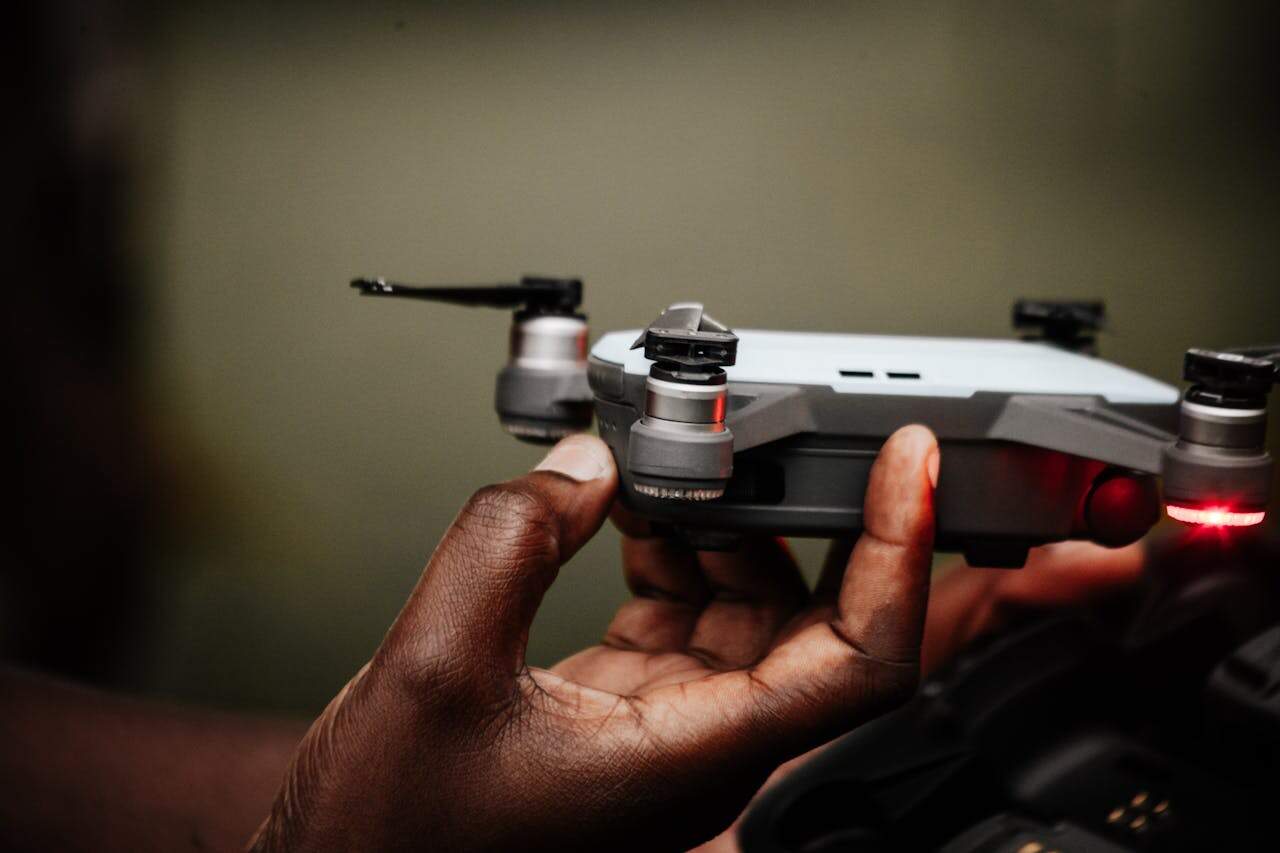
If you have always wanted to buy a drone, but something is holding you back, then this is completely understandable. After all, a drone can be a big investment, but at the same time, it can offer you a lot of possibilities, especially if you are a fan of video footage or taking photographs. This guide will help you to buy a drone for yourself, or to buy one as a gift for someone else.
Practice
If it wasn’t for having a computer, drones would be impossible to fly. The downside is that you need to learn how to use this complex computer, so you can control the drone properly. Each drone will behave differently when compared to the flight controller that’s been configured. You need to learn how to work within your drone’s parameters and you also need to know how to approach the stability as well. With things like this in mind, it’s wise for you to try to figure out how to handle your drone before you take it out to the fields. If you don’t, then you may find it harder to get the result you need, and you may also find that you can’t get the result you need.
Seeing your Drone
Another thing you need to do is make sure that you can always see your drone. Even though it is very tempting for you to try to fly beyond the landscape, you do need to make sure that you always have a visual on your drone if you can. If you don’t, then you may not be sure where it is or what obstructions are in place. As a general rule, you should also make sure that you’re not flying too high. You should not go beyond 400 feet, unless your drone allows it. If you want to help yourself here, using an altitude meter should help you to keep an eye on your drone as a whole.
Choosing the Right Drone
If you want to help yourself, then you need to make sure that you are choosing the right drone. If you have a drone that has a camera attached, then you will need to learn how to capture stills or how to capture unique viewpoints. If you have drones fitted with a camera, then you can’t fly them within 50 metres of people or buildings. You should also try not to fly it too close to vehicles either. On top of this, you cannot fly it over congested areas. If you want to help yourself, then it’s a good idea for you to try to make sure that you’re aware of what your needs are and that you are choosing the right drone for your needs. Choosing the right drone can be hard, but if you want a good starting point, you can’t go wrong with one from DrDrone.ca. When you buy a drone like this, it’ll do everything you need it to do, which is great if you’re not dialled in on what you want from your device yet.
Other Aircraft
If you want to buy a drone, or similar piece of tech, then another thing to take note of is that you can’t fly it near other aircraft. You need to make sure that you are not flying your drone near airports, and you also need to make sure that you’re not flying it near small local airfields either. If you do, then you may find that you end up in big trouble. Most people won’t have issues like this, but if you intend to fly long distances, then it is a consideration. If you want to help yourself, you should also think about things like power. You don’t want your drone to fly out of the sky, nor do you want to terminate your flight early because you are getting rather low on power. If you want to help yourself, then make sure that your drone is fully powered before you set off, and buy an extra charging hub, as this will allow you to power up multiple batteries at once without much worry at all.
Check the Weather
It goes without saying, but you do need to make sure that you check the weather. Even though your drone probably has a good onboard computer, you do need to make sure that you’re aware of the weather. Your drone can probably stabilize when the winds change, but unless you feel confident with the controls on your drone, you should probably avoid flying it when it’s windy. It can be a waste of time for you to fly up when you can’t see anything or do anything, and the only thing you risk is the drone being shot out of the sky when the winds do pick up, which would be a very expensive mistake to make.
Let People Know You’re Flying
Another thing you need to do is let people know before you go ahead and start recording. Some situations where you might know everyone who is there are fine, but if you are flying over something like a beach, then you may find that people end up being bothered. People will see your drone coming, and they have to be aware of who is controlling the drone as well. If you can keep things like this in mind, then you will find it is easier to make sure that you please people and that you are also a responsible drone owner, which is so important.
Night Flightrs
If you are tempted to take your drone out at night, then you have to make sure that you have permission to do so. Sometimes, areas may be restricted at night as well. If you want to help yourself, it’s a good idea for you to make sure that you research the laws in place and that you also make sure that you’re not overlooking how the rules may change depending on the area you’re in. If you can keep things like this in mind, then you’re bound to have a way more positive experience from flying your drone, which will help you a lot.
The post Things to Consider when Investing in a Drone appeared first on ThingsMenBuy.com.
from ThingsMenBuy.com https://www.thingsmenbuy.com/things-to-consider-when-investing-in-a-drone/
via IFTTT