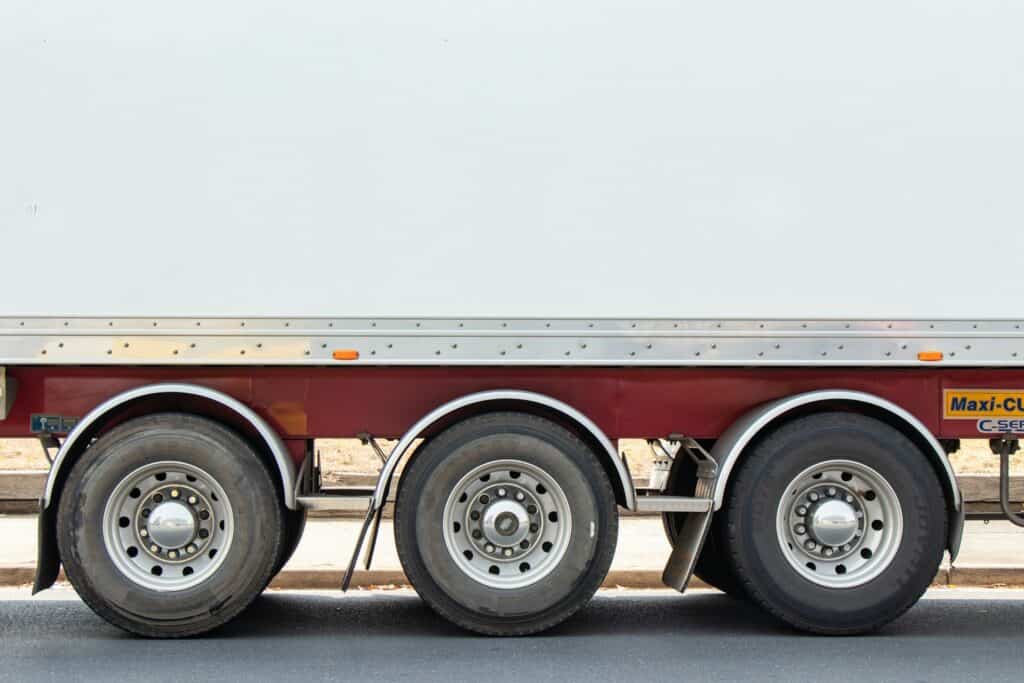
A truck’s stance affects far more than its parking-lot appearance. Wheel position, tire size, and suspension setup can change steering feel, clearance, and ride comfort. Push the wheels too far outward, and you may add stress to components or create rubbing. Keep everything tucked too close, and the tires can contact suspension parts. Understanding the measurements behind stance helps you choose right car modifications that look purposeful and still allow your truck to drive well every day.
Offset and Backspacing Demystified
Wheel offset and scrub radius are closely connected, but offset is the measurement you’ll encounter first when shopping. It describes the distance between a wheel’s mounting surface and its centerline. Positive offset pulls the wheel inward, while negative offset moves it outward.
Backspacing measures from the mounting surface to the wheel’s inner edge. A 9-inch-wide wheel with less backspacing generally sits farther outside the fender than one with more backspacing. Width also matters, so two wheels with the same offset may not occupy the same space. Before ordering, record the current wheel width, offset, and inner clearance. Those numbers provide a useful baseline for comparing fitment.
Scrub Radius and Suspension Geometry
Scrub radius describes where the steering axis meets the road in relation to the tire’s contact patch. Changing wheel offset moves that contact patch, which can alter steering effort and the way the truck reacts to bumps.
A moderate change may feel acceptable during normal driving. A large outward shift can make the steering pull more noticeably over ruts and uneven pavement. It may also increase the load placed on wheel bearings and steering components because the tire sits farther from its original position.
Suspension lifts can introduce more variables, including alignment changes and altered control-arm angles. After changing wheels, tires, or ride height, schedule a professional alignment and ask for the before-and-after readings. Correct toe, caster, and camber help protect tire life and provide predictable handling.
Balancing Trail Stance with Ride Quality
A wider trail stance can improve visual presence and create room for certain suspension setups, but daily comfort still depends on tire construction, sidewall height, and wheel weight. Large wheels paired with short sidewalls transmit sharper impacts into the cabin. Heavy combinations can also make acceleration and braking feel less responsive.
When comparing options such as fuel rebel wheels, check the bolt pattern, wheel width, backspacing, and load rating against your truck’s requirements. Never assume that a matching bolt pattern guarantees correct fitment.
Think about where the truck spends most of its time. A commuter benefits from reasonable sidewall depth and conservative offset. A truck that regularly reaches rough trails may need more tire compliance, but every setup should preserve safe clearance at full steering lock.
Preventing Fender Rub Without Slicing Metal
Test clearance before making permanent body changes. Rubbing often occurs only while reversing with the steering turned, entering a steep driveway, or compressing one front corner. Check the tire’s distance from the fender liner, mud flap, suspension, and body mount through the full steering range.
Accurate tire size guidance also matters because labeled sizes don’t tell the entire story. Actual section width and overall diameter can vary slightly between tire models.
If contact is minor, an alignment adjustment, a different tire profile, or a wheel with a more suitable offset may solve it. Properly secured liner adjustments can address limited plastic contact. Avoid stacking spacers as a quick fix, since they move the tire outward and may create a new clearance problem at the fender edge.
Measure both front wheel wells because small differences in liners and suspension position are common. Then test the truck with normal passengers or cargo aboard. A stance that clears while parked may rub once the suspension compresses on the road.
The best-looking setup is one you don’t have to worry about on every turn or driveway entrance. Confirm the numbers, test movement under realistic conditions, and keep enough clearance for the truck to work as intended.
The post What Every Truck Owner Needs to Know About Stance appeared first on ThingsMenBuy.com.
from ThingsMenBuy.com https://www.thingsmenbuy.com/what-every-truck-owner-needs-to-know-about-stance/
via IFTTT

No comments:
Post a Comment